Industry Knowledge
GB/T 1229 vs. ASTM A194: What the Dimensional Differences Actually Mean for Structural Performance
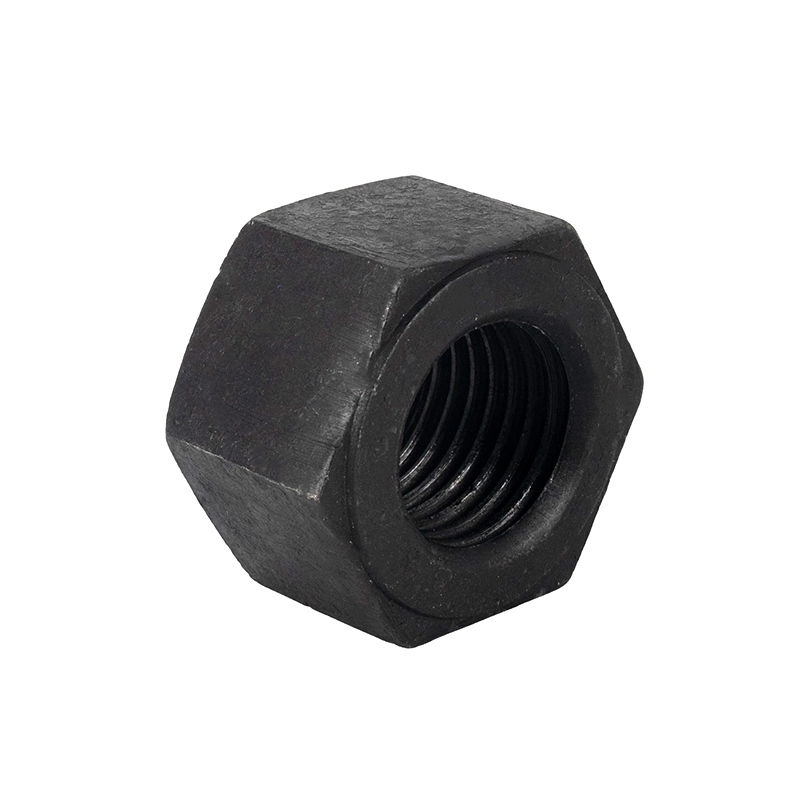
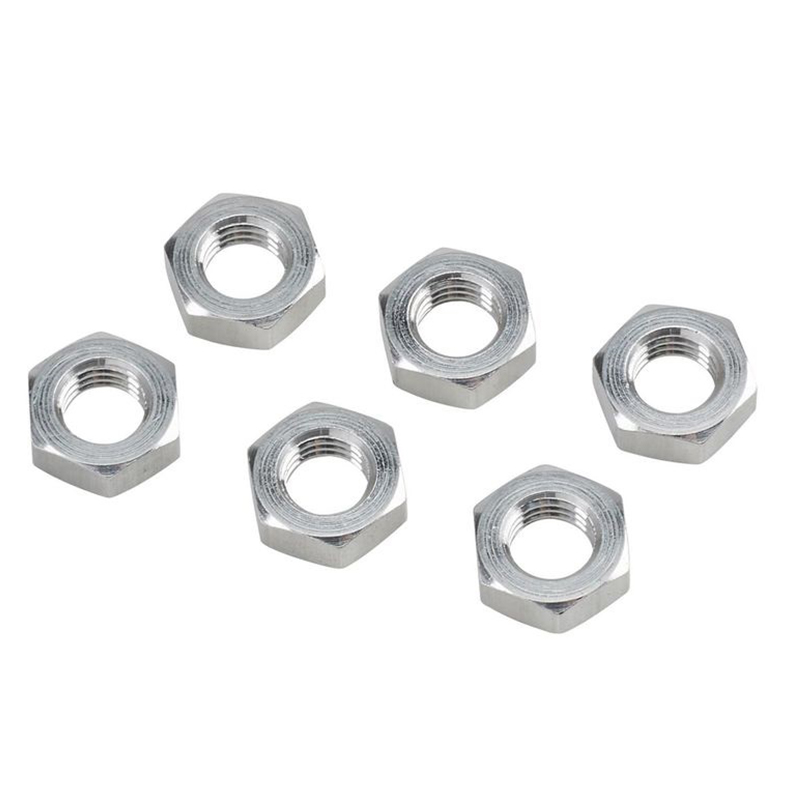
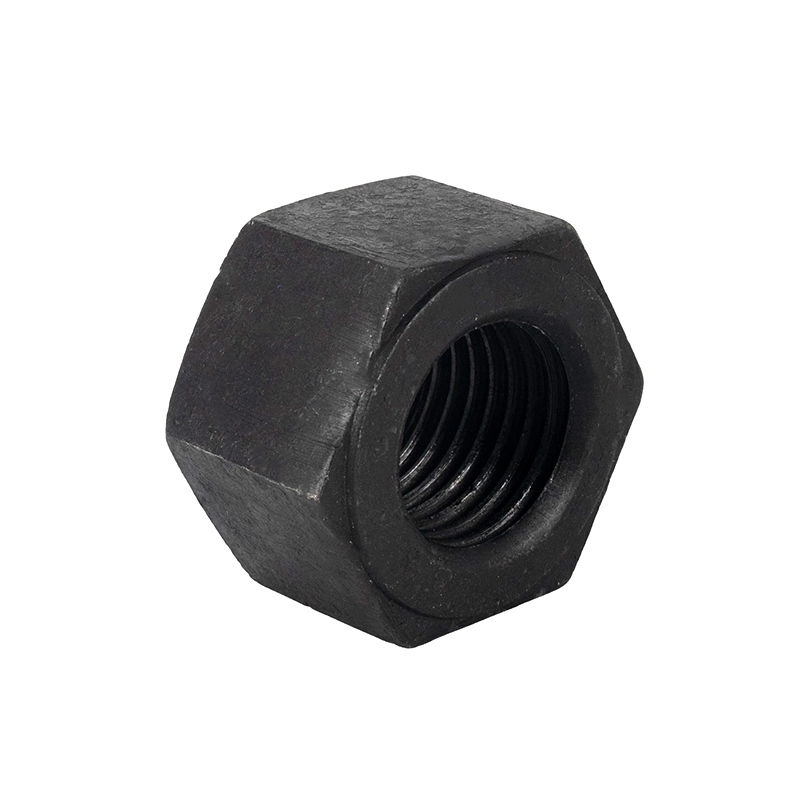
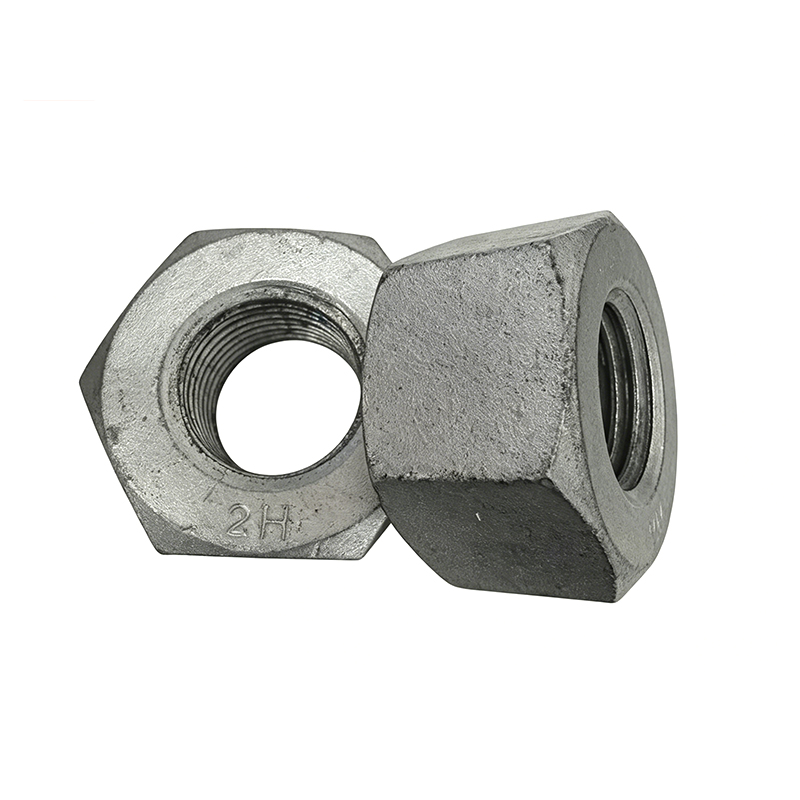
Heavy Hex Nuts manufactured to GB/T 1229 and ASTM A194 are not interchangeable, even when the nominal thread diameter and pitch are identical. The dimensional differences between these two standards are deliberate engineering decisions with direct consequences for bearing area, thread stripping resistance, and compatibility with bolt and washer series. Understanding these differences is essential when specifying fastener assemblies for cross-border projects or when sourcing from manufacturers that supply both domestic and export markets.
The most significant dimensional difference is the width-across-flats (WAF) and bearing face diameter. ASTM A194 heavy hex nuts have a wider flat-to-flat dimension than both standard hex nuts and their GB counterparts at equivalent thread sizes. For example, at M30 (or 1-1/8" UNC equivalent), the ASTM A194 heavy hex nut WAF is approximately 6–8% larger than a standard hex nut, increasing the bearing area under the nut face by 12–16%. This larger bearing area directly reduces contact stress on the joined surface — a critical benefit in steel structure engineering and bridge connections where the base material beneath the nut must not yield under bolt preload. The GB/T 1229 standard similarly specifies heavy-series dimensions, but the WAF and height dimensions follow metric series values that differ from ASME B18.2.2 inch-series equivalents, meaning socket and wrench tooling must be verified independently for each standard in mixed-specification projects.
Nut height is the second critical dimensional variable. ASTM A194 heavy hex nuts have greater height-to-diameter ratios than standard nuts, providing more thread engagement length. The minimum number of engaged threads for full bolt tensile capacity is approximately one times the bolt diameter — a rule easily met by standard nuts at small diameters but increasingly marginal at large diameters (M42 and above) where standard nut height may provide only 0.85× diameter engagement. Heavy hex series height specifications ensure full thread engagement at all standard bolt diameters, which is why ASTM A194 is the mandatory specification for bolt assemblies in ASME pressure vessel and petrochemical flange connections where thread stripping under sustained pressure load is an unacceptable failure mode.
Material Grade Selection for Heavy Hex Nuts Across Critical Infrastructure Applications
ASTM A194 alone covers more than twenty material grades for Heavy Hex Nuts, each targeting specific combinations of temperature range, corrosive media, and mechanical load. Selecting the correct grade is not simply a strength decision — it involves matching the nut's proof load, yield strength, and metallurgical compatibility to the bolt material and the operating environment simultaneously. The most commonly misspecified combinations involve temperature extremes and hydrogen service, where the wrong grade can produce catastrophic joint failure under conditions that a standard room-temperature tensile test would not reveal.
| ASTM A194 Grade |
Material |
Proof Load (MPa) |
Temperature Range |
Typical Application |
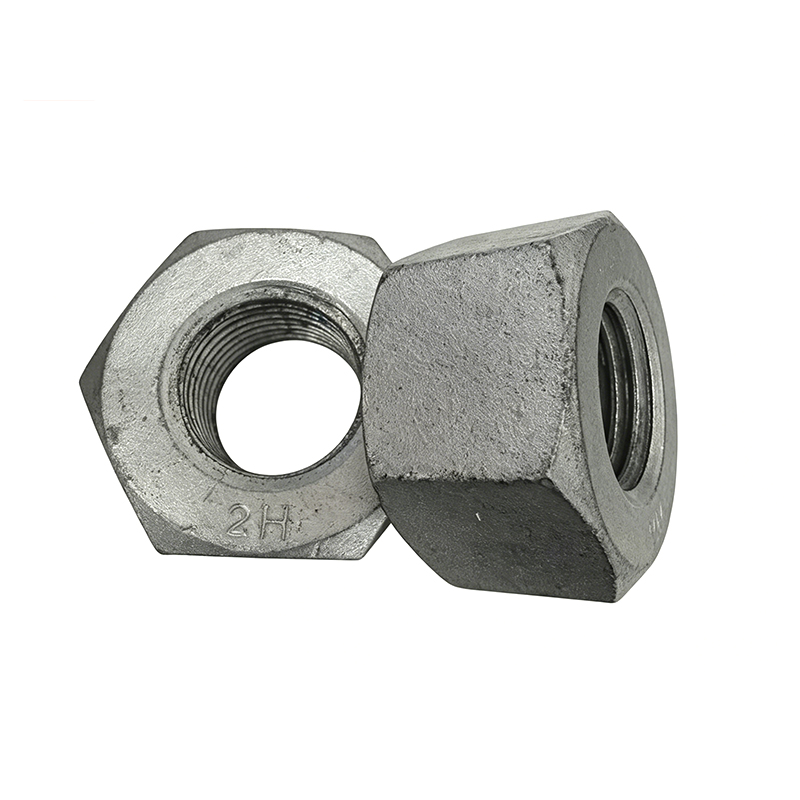
| 2H |
Medium carbon steel, quenched & tempered |
827 |
–50°C to +370°C |
Steel structure, bridges, general petrochemical flanges |
| 2HM |
Medium carbon steel (controlled hardness) |
827 |
–50°C to +370°C |
Hydrogen service — hardness ≤ HRC 35 per NACE MR0175 |
| 4 |
Low alloy steel |
551 |
–50°C to +230°C |
Low-pressure piping, engineering machinery |
| 8 (Class 1) |
304 Stainless steel |
483 |
–196°C to +425°C |
Corrosive chemical service, cryogenic flanges |
| 8M (Class 1) |
316 Stainless steel |
483 |
–196°C to +425°C |
Chloride environments, nuclear power auxiliary systems |
| 7 |
Chromium-molybdenum alloy steel |
827 |
Up to +540°C |
High-temperature steam lines, power plant flanges |
Selected ASTM A194 heavy hex nut grades by material, proof load, temperature range, and critical infrastructure application.
Grade 2HM deserves particular attention because it is frequently substituted with standard Grade 2H by procurement teams who treat the "M" suffix as a minor variant. The hardness control requirement in 2HM — a maximum of HRC 35 — is specifically mandated by NACE MR0175/ISO 15156 for sour service environments where hydrogen sulfide (H₂S) is present. Above HRC 35, high-strength steels become susceptible to sulfide stress cracking (SSC), a form of hydrogen embrittlement that can cause sudden brittle fracture at stress levels well below the material's rated tensile strength. In petrochemical and upstream oil and gas applications, specifying 2H where 2HM is required is not a cost-saving measure — it is a code violation with potential catastrophic consequence.
Bolt Preload Retention in Wind Power and Bridge Structures: Why Heavy Hex Nuts Require Specific Torque Protocols
In wind power tower flange connections and long-span bridge structural joints, bolt preload retention over the design life of the structure — typically 25 years for wind turbines and 50–100 years for bridges — is as important as the initial installation torque. Heavy Hex Nuts in these applications are not simply tightened to a specified torque and left; they are installed as part of a precisely controlled preload system that accounts for embedding losses, relaxation, and re-tightening schedules that differ substantially from conventional structural bolting practice.
Embedding loss is the most significant source of preload reduction in the hours immediately following installation. When a heavy hex nut is torqued against a steel flange surface, microscopic asperities at the nut bearing face and thread contact points plastically deform, reducing the effective clamp length of the bolt and releasing a corresponding portion of the induced preload. In large-diameter tower flange bolts (M42–M72), embedding loss typically accounts for 10–20% of initial preload within the first 24 hours, and a further 3–5% over the following 30 days as thread contact stabilizes. For this reason, wind turbine installation standards — including IEC 61400-1 and manufacturer-specific protocols — require a re-tightening check at 500–1,000 operating hours after initial installation, a step that is frequently deferred in field practice with long-term consequences for fatigue life.
- Torque-controlled tightening — The most common method, but also the least accurate for large-diameter heavy hex assemblies. Torque-to-preload conversion assumes a consistent friction coefficient at both the thread interface and bearing face. In practice, thread lubrication variation, surface coating differences between individual nuts, and tool calibration drift can produce preload scatter of ±25–30% at the same applied torque. For tower flange connections, this scatter is partially mitigated by specifying a consistent lubricant (MoS₂-based or PTFE paste) on all threads and bearing faces before installation.
- Turn-of-nut method — More reliable than torque control for large-diameter Heavy Hex Nuts because it controls bolt elongation rather than input torque, making it less sensitive to friction variation. After snugging the joint to eliminate gaps, a specified rotation angle is applied (typically 1/3 to 2/3 turn depending on bolt length-to-diameter ratio and grip length). The resulting preload is determined by bolt stiffness, which is a material property subject to much smaller variation than surface friction coefficients.
- Hydraulic tensioning — The most precise method for critical large-diameter connections in bridge and nuclear power applications. A hydraulic jack directly elongates the bolt to a target stress level while the heavy hex nut is run down finger-tight, then the hydraulic pressure is released, transferring the bolt's elastic recovery force into clamp load. Preload accuracy with hydraulic tensioning is typically ±5%, compared to ±25–30% for torque control — the primary reason it is specified in GB/T 1229 Category B (high-strength friction-type) connections where slip resistance is the governing design criterion.
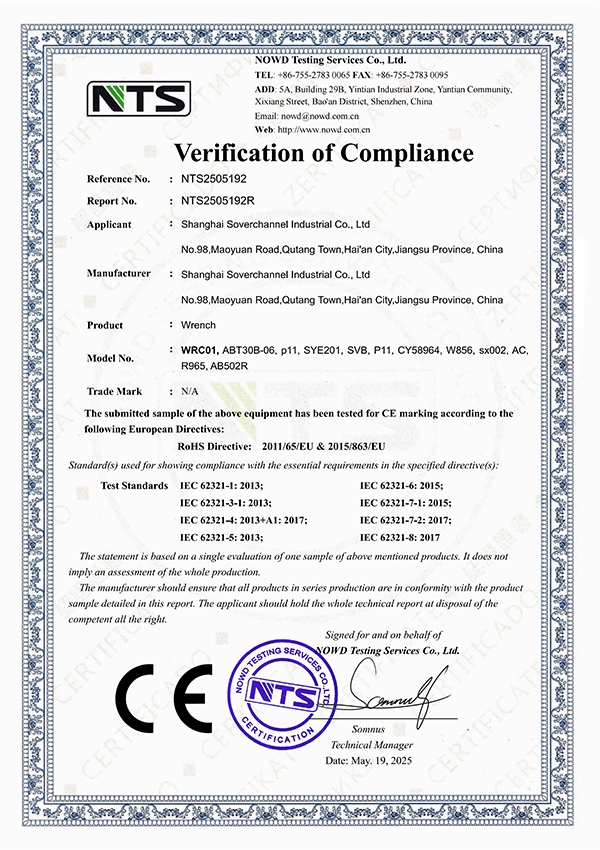
Shanghai Soverchannel Industrial Co., Ltd. supplies Heavy Hex Nuts for wind power and bridge applications with complete mechanical test certificates — including proof load, hardness, and dimensional inspection reports — and provides material traceability documentation compatible with both GB/T 1229 and ASTM A194 quality audit requirements, supporting customers through the inspection and acceptance process on regulated infrastructure projects.
Non-Standard Customization of Heavy Hex Nuts: When Standard Grades Are Insufficient
Standard Heavy Hex Nuts cover the majority of structural and pressure equipment fastening requirements, but a subset of engineering machinery, petrochemical reactor, and nuclear power applications present material, dimensional, or performance requirements that fall outside the boundaries of any single published standard. These non-standard requirements are more common than procurement teams typically expect, and they represent the situations where the difference between a trading company and a manufacturer with genuine engineering customization capability becomes consequential for both schedule and project risk.
The most frequent non-standard customization requests for Heavy Hex Nuts fall into four categories:
- Special alloy materials — Duplex stainless steel (2205, 2507), Inconel 625 and 718, titanium Grade 5 (Ti-6Al-4V), and Hastelloy C276 are specified in aggressive chemical environments where both 304/316 stainless and alloy steel grades fail prematurely. These materials require specialized forging processes and heat treatment protocols that are not available in standard fastener production lines. Duplex 2205 heavy hex nuts, for example, must be solution annealed after forging at precise temperature windows (1,020–1,100°C) to avoid sigma phase precipitation that would embrittle the material — a process step that requires dedicated furnace control capability.
- Non-standard thread forms — ACME threads, buttress threads, and metric fine series threads (M52×3, M64×4) outside standard stock ranges are required in large hydraulic cylinder assemblies, reactor vessel closure heads, and high-pressure autoclave flanges where standard coarse pitch threads provide insufficient engagement density for the cyclic pressure loads involved.
- Combined standard compliance — Some projects require a single fastener to comply simultaneously with dimensional requirements from one standard and mechanical property requirements from another — for instance, a nut dimensioned to HG/T 20634 (Chinese chemical industry standard) but with ASTM A194 Grade 2HM material certification. This cross-standard specification is increasingly common in joint-venture petrochemical projects and requires a manufacturer with documented capability in both standards rather than one optimized for a single system.
- Special surface treatments — Electroless nickel plating, PTFE dry film coating (Xylan or Molykote), and hot-dip zinc-nickel alloy coating are specified where standard galvanizing and Dacromet do not meet the specific friction coefficient, temperature resistance, or chemical resistance requirements of the application. PTFE-coated heavy hex nuts achieve a thread friction coefficient of approximately 0.08–0.12 — significantly lower than zinc-coated equivalents — enabling more accurate torque-to-preload conversion in precision-controlled bolting on engineered machinery and wind turbine main bearing assemblies.
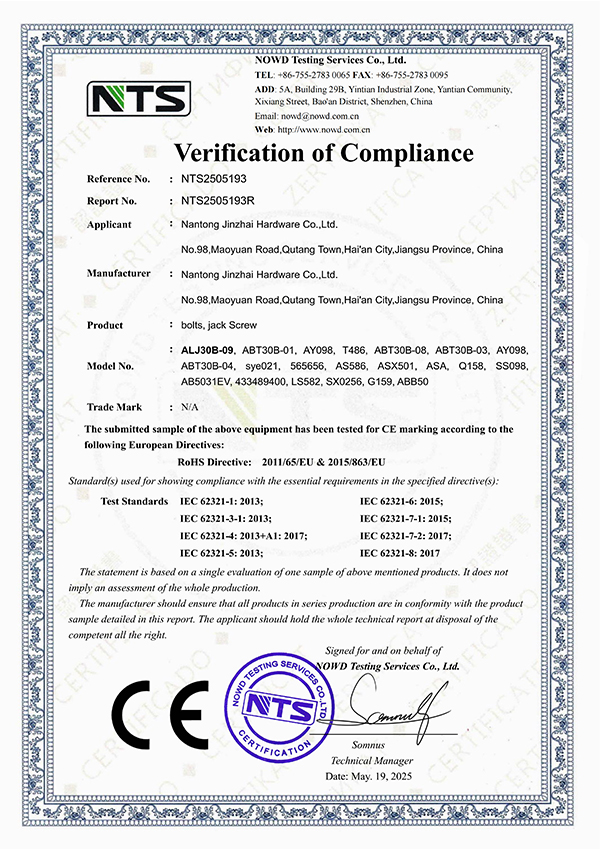
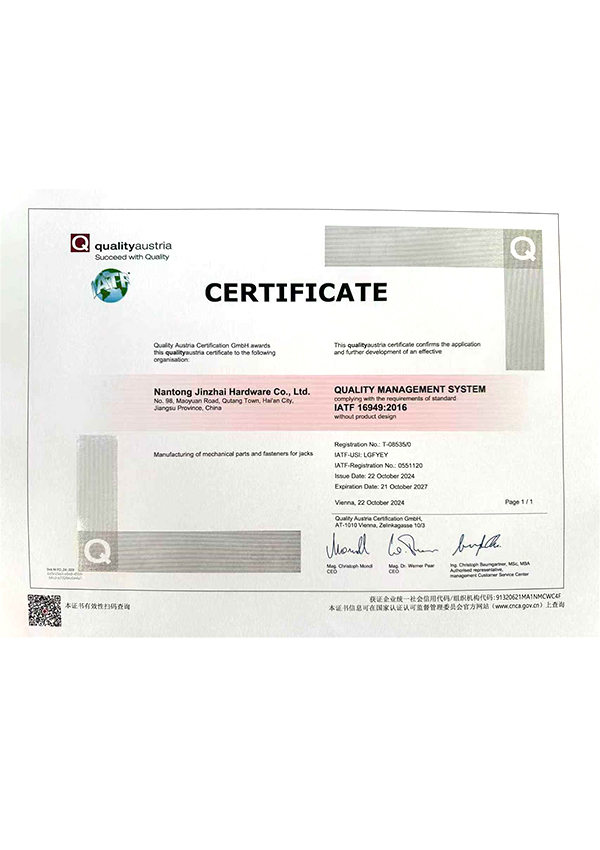
With its own manufacturing plant at Nantong Jinzhai Hardware Co., Ltd. and a full-process production capability that spans forging, heat treatment, machining, and surface finishing under one quality management system, Shanghai Soverchannel Industrial Co., Ltd. is positioned to execute these non-standard requirements with stable delivery timelines and complete inspection documentation. For projects requiring custom Heavy Hex Nuts across special materials, strength grades, sizes, or surface treatments — whether to GB, ASTM, DIN, or chemical industry standards — contact Shanghai Soverchannel Industrial Co., Ltd. to discuss specification feasibility and lead times before the procurement stage.